
Table of Contents
Pipe Transportation and Storage Guidelines
Safe Handling, Indoor Storage and Protection for Stainless Steel Pipes and Fittings
Pipe transportation and storage helps protect stainless steel pipes, fittings and accessories from impact, contamination, deformation and weather exposure before installation. This page outlines basic handling, loading, unloading, indoor storage and protection requirements for Nonleak piping products during delivery, site movement and warehouse storage.
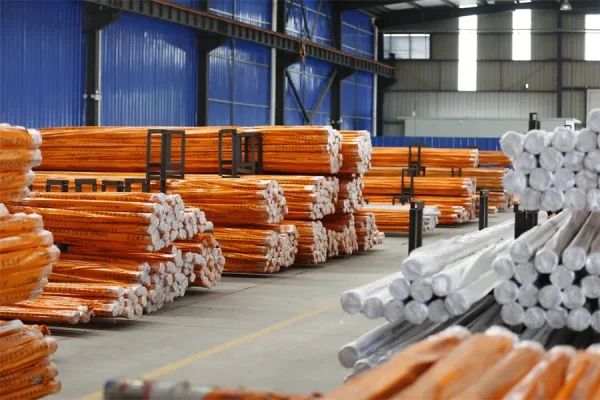
Proper Handling Procedures
Proper handling reduces the risk of scratches, dents, pipe-end deformation and sealing surface damage during transportation and site movement.
Pipe Handling Requirements
Handle all pipes, fittings and accessories carefully during transportation, unloading and site movement.
Do not throw, roll, drag or drop pipes and fittings, because these actions may damage surfaces, pipe ends or sealing areas.
Use suitable lifting equipment, soft slings or support tools for heavy or bulky products.
Avoid impact, collision and direct contact with sharp edges that may affect surface quality or structural integrity.
Loading/Unloading Guidelines
During loading and unloading, keep bundles stable and support the weight evenly to prevent movement or bending.
Use proper lifting equipment and soft slings to prevent surface scratches, dents and pipe-end deformation.
Keep weight evenly distributed during transportation to avoid bending, rolling or package damage.
Secure pipe bundles, fittings and accessories properly to prevent movement during transit.
Optimal Pipe Storage Requirements
Good storage practices help prevent moisture exposure, surface contamination, corrosion risk and deformation before installation.
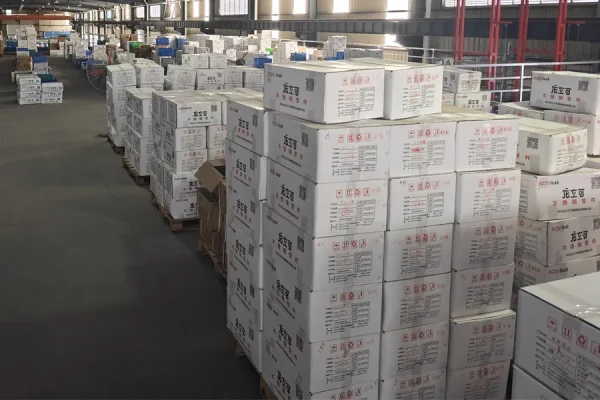
Storage Environment
Store products in a dry, clean indoor environment free from corrosive gases.
Do not store products outdoors or expose them to rain, snow, direct sunlight or other weather conditions.
Keep storage areas organized, clean and easy to inspect, and avoid cluttered or mixed storage.
Control humidity levels to reduce condensation on pipe and fitting surfaces.
Stacking & Arrangement
Limit stacking height to 5 layers unless project packaging or warehouse rules require a lower limit.
Use stable pallets, racks or supports to prevent deformation and rolling.
Do not store stainless steel products with carbon steel, chemicals or contaminated materials.
Maintain clear aisles for access, inspection and safe material movement.
For general material storage safety, installers may also refer to OSHA material storage guidance for pipe and other cylindrical materials.
Corrosion Prevention
Separate stainless steel products from carbon steel and other dissimilar metals.
Avoid contact with chemicals, salts, moisture and corrosive substances.
Inspect storage conditions regularly and correct contamination or moisture problems quickly.
On-Site Protection Measures
On-site protection keeps delivered products clean and undamaged before final installation.
Pre-Installation Protection
Keep protective packaging intact until products are ready for installation.
Store products off the ground on clean, dry and stable surfaces.
Protect products from construction debris, standing water, mud and environmental contaminants.
During Installation
Apply protective film during installation when surface protection is required.
Prevent direct contact with cement, mortar, soil, construction cleaners and corrosive chemicals.
Use temporary covers when installation work is paused.
Avoid dragging pipes across rough surfaces during installation.
Cleaning and Inspection Before Installation
Before installation, check whether pipe ends, fitting sockets and sealing areas remain clean, dry and free from visible damage.
Contamination Response
Clean oil or grease contamination immediately after discovery.
Use suitable stainless steel cleaning solutions and avoid abrasive materials.
Dry surfaces thoroughly after cleaning to prevent water spots.
Critical Inspection Points
Pipe ends and socket connections must remain free from debris, oil and contaminants.
Check for foreign material before installation.
Verify surface condition after transportation, unloading and storage.
Resolve surface issues before installation starts.
Addressing Common Issues
If products show contamination or minor damage after transportation and storage, inspect them before use and contact technical support when needed.
Surface Contamination
Light contamination: Clean with a suitable stainless steel cleaner.
Heavy contamination: Contact technical support before installation.
Never use abrasive materials, carbon steel brushes or steel wool on stainless steel surfaces.
Minor Damage
Small scratches: Evaluate whether the surface condition remains within acceptable tolerance.
Dents or deformation: Do not use damaged products for installation.
Contact the supplier for replacement or technical confirmation if needed.
Related Handling and Installation Resources
For installation dimensions and technical requirements, visit our Technical Documentation page. For final pressure testing and inspection, review our Testing & Acceptance page. To choose matching products, explore our Stainless Steel Pipes and Stainless Steel Pipe Fittings pages.